
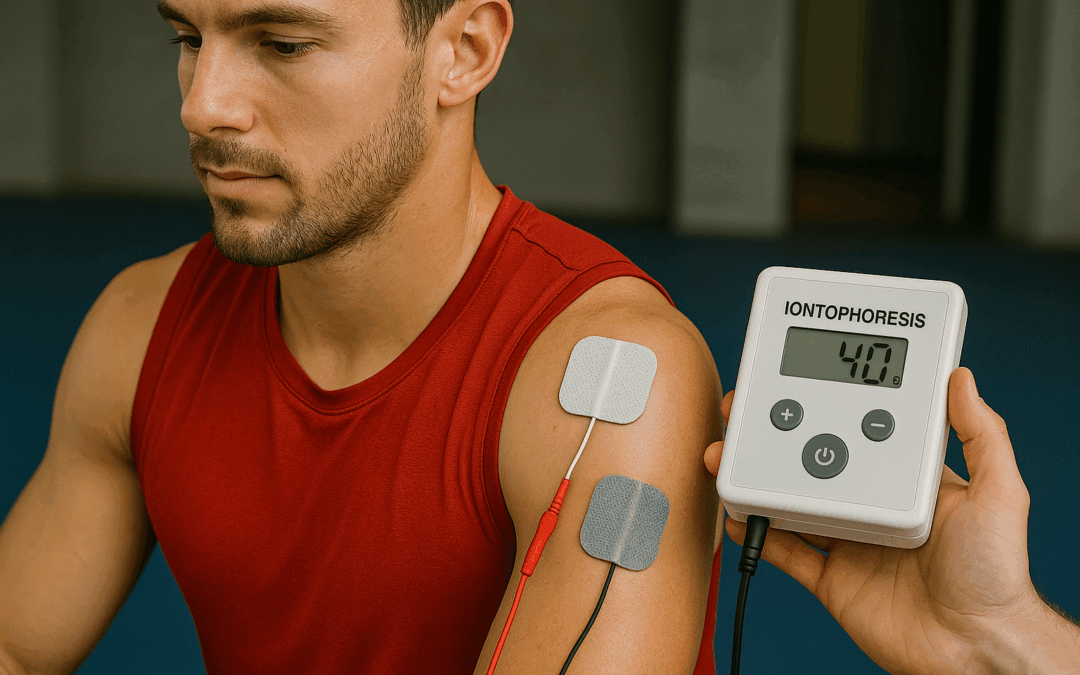
For athletes, the ability to recover quickly from injury or soreness can mean the difference between staying in the game and sitting on the sidelines. Whether you’re a weekend warrior or a professional competitor, managing muscle pain and inflammation effectively is essential for performance and long-term joint and tissue health. That’s where iontophoresis is gaining traction. It offers a needle-free method of delivering medication directly to painful or inflamed areas, helping athletes heal faster and more comfortably.
What Is Iontophoresis?
Iontophoresis is a non-invasive therapy that uses a mild electrical current to push medication through the skin and into the underlying tissues. Unlike oral medications, which circulate through the whole body, or injections, which require a needle and can be painful or intimidating, iontophoresis delivers treatment directly to the site of injury or inflammation. This makes it especially useful for musculoskeletal issues common in athletes, including tendonitis, bursitis, and other overuse injuries.
The process itself is simple and painless. A therapist applies a medicated patch to the treatment area—often containing anti-inflammatory medication like dexamethasone—and connects it to a small electrical device. The current is low, and most people feel only a slight tingling sensation during treatment. Sessions typically last 10 to 20 minutes, and because it’s non-invasive, there’s no downtime or recovery afterward.
Why Athletes Are Turning to Iontophoresis
Athletes put their bodies under constant stress. Repetitive movements, intense training schedules, and competitive games all increase the risk of soft tissue injuries and inflammation. While rest, ice, and physical therapy remain mainstays in recovery, iontophoresis adds another layer of targeted relief, especially for conditions that cause persistent pain or swelling.
One of the main reasons athletes may prefer iontophoresis is its ability to deliver medication without needles. Corticosteroid injections can be effective, but they come with risks like tissue breakdown or joint damage with repeated use. Oral medications may help, but they affect the whole body and can cause gastrointestinal side effects or interact with other supplements. Iontophoresis allows for high local concentrations of medication right where it’s needed, without taxing the rest of the body.
Another benefit is its compatibility with physical therapy and rehabilitation routines. Iontophoresis can be done during or after a workout or therapy session, making it easy to integrate into an athlete’s recovery plan. And because it’s quick and painless, it doesn’t interfere with mobility or training schedules.
Common Sports Injuries Treated with Iontophoresis
In the sports medicine world, iontophoresis is used to treat a range of soft tissue injuries. For athletes experiencing tendonitis—especially in the shoulder, elbow, or Achilles—iontophoresis can reduce inflammation and improve comfort during movement. It’s also used for bursitis, plantar fasciitis, and patellar tendinopathy (sometimes called jumper’s knee).
Muscle strains and minor ligament injuries may also benefit from iontophoresis, particularly when inflammation is slowing down the healing process. It’s not a cure-all, and it won’t replace the need for rest, strength training, or proper stretching, but it can accelerate pain relief and make rehab more tolerable.
Even athletes recovering from surgery or a more serious injury may find iontophoresis helpful during the later stages of healing, when inflammation is still present but mobility and strength-building are the primary goals.
What to Expect During Treatment
Most iontophoresis treatments are administered by a physical therapist or sports medicine professional, though some portable at-home devices are also available. A typical session starts with the skin being cleaned and prepped. A medicated electrode is placed on the area needing treatment, and a second electrode is positioned nearby to complete the circuit. Once the current begins, the medication is gently driven into the tissues below the skin.
The sensation is usually mild, and many athletes describe it as slightly tingly or warm. There’s no muscle contraction, and the treatment is generally well tolerated. Afterward, the area may be a bit red, but this usually fades quickly.
Depending on the injury and the medication being used, several sessions may be needed to see optimal results. For acute pain or flare-ups, even one or two treatments can provide noticeable relief.
A Non-Invasive Option for Healing
Iontophoresis has been used in physical therapy and rehab clinics for decades, but its role in athletic recovery is growing as more athletes seek alternatives to injections or long courses of medication. Because it delivers treatment locally, there’s less risk of systemic side effects, and it can be safely used in combination with other therapies like massage, exercise, and stretching.
For athletes who value performance, precision, and minimal downtime, iontophoresis is an appealing option. It offers a smart way to treat inflammation and soft tissue pain without breaking stride or reaching for a needle. Whether you’re recovering from a nagging overuse injury or trying to manage discomfort during a heavy training cycle, it’s worth asking your physical therapist or sports medicine provider if iontophoresis could be part of your plan.