
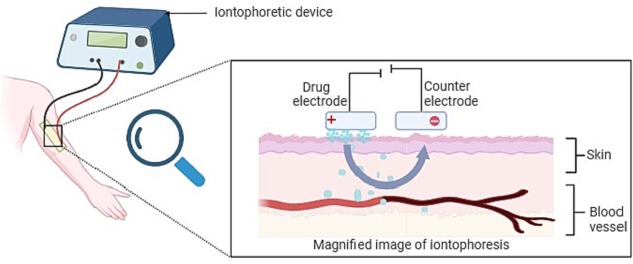
Iontophoresis is a medical technique that uses a mild electrical current to help deliver medication through the skin. Unlike injections or oral drugs, this approach is noninvasive and targets treatment to a specific area of the body. The method has been studied for decades, and is used in clinical settings for pain relief, inflammation reduction, and localized drug delivery.
The basic principle is straightforward. When a low-level electrical current is applied to the skin, it can push charged drug molecules across the skin barrier and into underlying tissues. Because the skin normally acts as a strong protective layer, this electrical assistance makes it possible to deliver medications that would otherwise struggle to penetrate effectively.
A Brief History of Research
Research into iontophoresis dates back to the early 20th century, when scientists first explored how electricity could influence drug movement in biological tissues. Early studies were experimental, but by the mid-1900s, clinicians began testing iontophoresis for musculoskeletal pain, localized infections, and inflammatory conditions.
Over time, improvements in device design and a better understanding of skin physiology helped move iontophoresis from a niche technique into a more widely accepted therapeutic option. Modern research focuses less on whether iontophoresis works and more on how well it works compared to other treatments, which drugs are best suited for it, and which patients are most likely to benefit.
Iontophoresis and Pain Management
One of the most studied uses of iontophoresis is pain management, particularly for conditions involving inflammation or soft tissue injury. Research has examined its role in treating tendonitis, bursitis, plantar fasciitis, and joint pain, especially in sports medicine and physical therapy settings.
Studies generally suggest that iontophoresis can reduce pain by delivering anti-inflammatory or analgesic medications directly to the affected area. This localized delivery may limit systemic side effects, such as stomach irritation or drowsiness, which are sometimes associated with oral pain medications. Patients often describe the sensation during treatment as mild tingling or warmth, rather than discomfort.
That said, research findings are mixed. Some clinical trials show meaningful pain reduction compared to placebo treatments, while others find results similar to standard physical therapy or topical medications. These variations are often linked to differences in study design, medication choice, dosage, and treatment frequency. As a result, iontophoresis is generally viewed as a complementary option rather than a standalone solution for pain.
Medication Delivery Through the Skin
Beyond pain relief, iontophoresis has attracted attention as a broader drug delivery method. Researchers are interested in its potential to deliver medications that would otherwise require injections. This includes certain anti-inflammatory drugs, anesthetics, and even larger molecules that struggle to cross the skin barrier.
Research shows that iontophoresis can increase the rate and depth of drug penetration compared to passive topical application. This controlled delivery may allow clinicians to adjust dosage more precisely and limit how much medication enters the bloodstream. For patients who dislike needles or need repeated localized treatments, this approach can be especially appealing.
Ongoing studies are exploring iontophoresis for antibiotics, peptides, and other specialized medications. While not all drugs are suitable for electrical delivery, research continues to expand the list of compounds that can be effectively administered this way.
Safety and Tolerability Findings
Safety is a major focus in iontophoresis research. Overall, studies indicate that the technique is well tolerated when used correctly. The most common side effects reported are mild skin irritation, redness, or a temporary burning sensation at the electrode site. These effects typically resolve quickly and are considered minor.
Research emphasizes the importance of proper device settings and treatment duration. Excessive current or prolonged exposure can increase the risk of skin discomfort. For this reason, iontophoresis is usually administered by trained professionals or with carefully designed home-use devices.
Serious adverse events are rare in the research literature, which has helped support iontophoresis as a low-risk option for appropriate patients.
Comparing Iontophoresis to Other Treatments
A recurring theme in research is how iontophoresis compares to other pain management and drug delivery methods. Some studies suggest it performs similarly to injections for localized conditions, but without the invasiveness. Others show outcomes comparable to ultrasound therapy, topical creams, or exercise-based rehabilitation.
The consensus emerging from the research is that iontophoresis works best as part of a broader treatment plan. It may enhance the effects of physical therapy, reduce reliance on oral medications, or offer an alternative when other methods are poorly tolerated. Researchers increasingly frame iontophoresis as one tool among many, rather than a replacement for established therapies.
Limitations in the Current Research
Despite decades of study, iontophoresis research still has gaps. Many trials involve small sample sizes, short treatment durations, or inconsistent outcome measures. This makes it difficult to draw firm conclusions about long-term effectiveness or optimal protocols.
There is also variability in devices and medications used across studies. Differences in electrical current strength, treatment time, and electrode placement can all influence results. Researchers continue to call for larger, standardized clinical trials to better define best practices.
Interest in iontophoresis is growing as health care moves toward more personalized and less invasive treatments. Advances in wearable technology and smart drug delivery systems may expand its applications even further. Researchers are exploring ways to combine iontophoresis with real-time monitoring, improved skin interfaces, and novel medications.
While iontophoresis is not a cure-all, the research to date supports it as a scientifically grounded, flexible approach to pain management and localized medication delivery. For many patients, its value lies in offering another option—one that balances effectiveness, comfort, and safety in an evolving landscape of medical care.