
Over the past decade, pain management in medicine has undergone a significant shift. Concerns about opioid dependence, overdose risk, and long-term safety have pushed clinicians to prioritize treatments that manage pain without relying on narcotic medications. Major public health guidance now emphasizes non-opioid strategies as first-line options for many types of acute and chronic pain, especially musculoskeletal conditions and post-injury recovery. Non-pharmacologic approaches such as physical therapy, exercise therapy, and targeted modalities are increasingly used as part of a broader, multimodal approach to care.
This shift is also supported by growing evidence that chronic pain is not purely a symptom of tissue damage, but often involves changes in nervous system processing over time. As a result, treatment strategies are increasingly focused on restoring function, improving mobility, and reducing inflammation rather than simply suppressing pain signals. This broader understanding has encouraged clinicians to combine physical rehabilitation with targeted interventions that support recovery in more precise and localized ways.
At the same time, healthcare systems are placing greater emphasis on value-based care models, where outcomes such as functional improvement, return to activity, and reduced reliance on medication are measured more closely. This has further accelerated interest in therapies that can enhance rehabilitation efficiency while minimizing systemic medication exposure and supporting earlier progression into active movement-based treatment strategies.
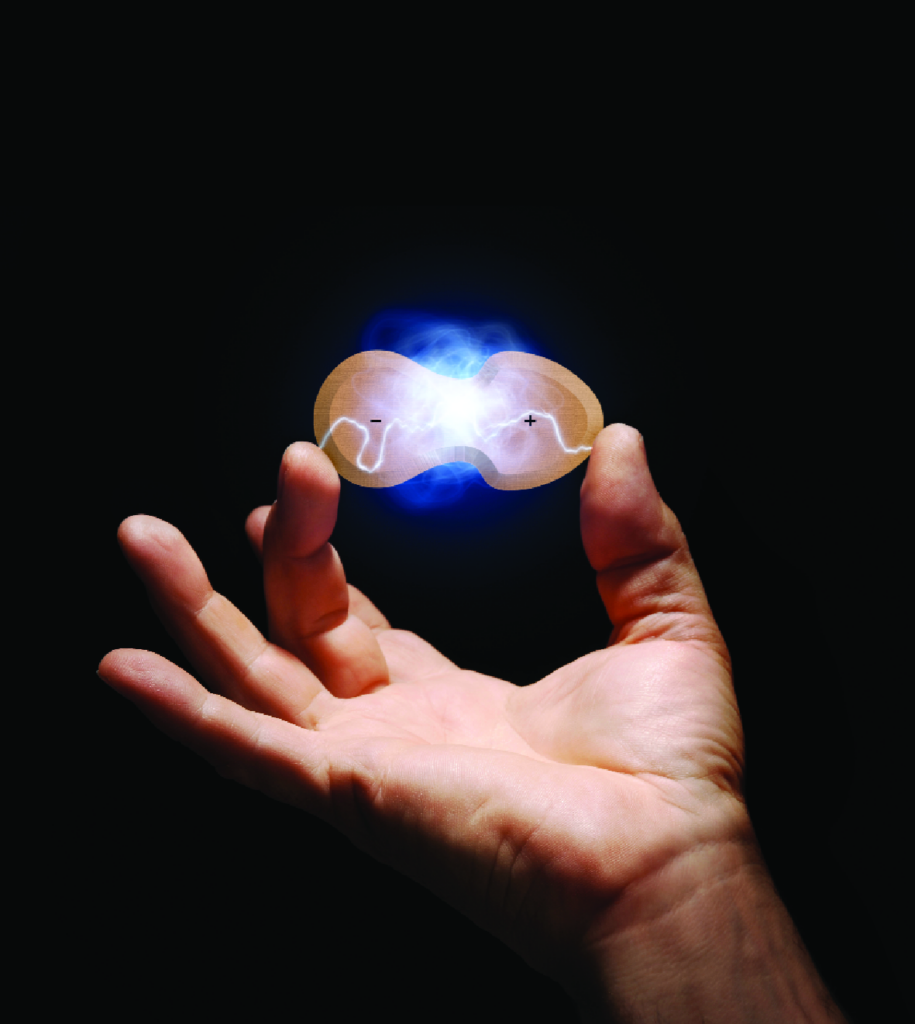
Within this changing landscape, interest has grown in therapies that combine local drug delivery with minimal systemic exposure. One of these treatments is iontophoresis, a technique that uses a mild electrical current to drive medication through the skin directly to the targeted tissue.
Understanding Iontophoresis in Modern Pain Care
Iontophoresis is a form of transdermal drug delivery that uses electrical charge to push medication molecules through the skin barrier. In pain management, it is typically used to deliver anti-inflammatory agents or local anesthetics directly to a specific area of injury or irritation. Because the medication is delivered locally, systemic exposure is reduced compared with oral or injectable drugs.
This targeted delivery is one reason iontophoresis continues to be used in physical therapy and rehabilitation settings. It is not intended to replace foundational treatments like exercise therapy or manual therapy, but to complement them during phases when pain or inflammation limits function.
Why Non-Opioid Strategies Are Expanding
The movement toward non-opioid pain care is driven by both safety data and clinical effectiveness. For many musculoskeletal conditions, non-opioid therapies can provide comparable relief without the risks associated with opioid medications. Evidence-based guidelines highlight the importance of maximizing nonpharmacologic care before considering opioids, especially for chronic pain.
At the same time, healthcare systems are increasingly focused on function rather than pain scores alone. This shift aligns well with rehabilitation-based approaches, where treatments aim to restore movement, reduce inflammation, and improve long-term outcomes.
Where Iontophoresis Fits in the Treatment Continuum
Iontophoresis occupies a specific niche in this evolving framework. It is best understood as an adjunctive therapy rather than a primary intervention. In clinical practice, it is often used when localized inflammation or pain prevents a patient from fully participating in active rehabilitation.
For example, a patient with tendon irritation or joint inflammation may experience enough pain that exercise progression is limited. In such cases, iontophoresis can be used to deliver anti-inflammatory medication directly to the affected area, potentially reducing symptoms enough to allow more effective participation in movement-based therapy.
This role is important because modern rehabilitation emphasizes active recovery. Modalities like iontophoresis are most valuable when they help patients transition more quickly into active treatment rather than replacing it.
Evidence, Limitations, and Clinical Perspective
Research on iontophoresis suggests it can be effective for localized drug delivery, particularly in soft tissue and inflammatory conditions. However, like many physical therapy modalities, the strength of evidence varies depending on condition, dosage, and protocol.
This mixed evidence reflects a broader reality in physical medicine: Many modalities are not stand-alone cures but tools that can support recovery when used appropriately within a comprehensive plan of care.
Clinicians also consider practical factors such as patient tolerance, cost, accessibility, and integration with other treatments. Because iontophoresis is non-invasive and generally well tolerated, it remains a reasonable option in many cases, particularly when other conservative measures alone are not sufficient.
The Future Role of Iontophoresis
As non-opioid pain care continues to evolve, the role of iontophoresis is likely to remain specialized but meaningful. It fits into a broader trend toward targeted, localized, and lower-risk interventions that support functional recovery rather than mask symptoms.
Future developments may refine drug delivery methods, improve device efficiency and expand clinical indications. At the same time, the emphasis in modern pain care is unlikely to shift away from active rehabilitation. Instead, therapies like iontophoresis will continue to serve as supportive tools within a larger, evidence-based framework that prioritizes movement, function and long-term recovery. In that context, iontophoresis represents not a replacement for traditional care, but a complementary technology that helps bridge the gap between pain control and active rehabilitation.