
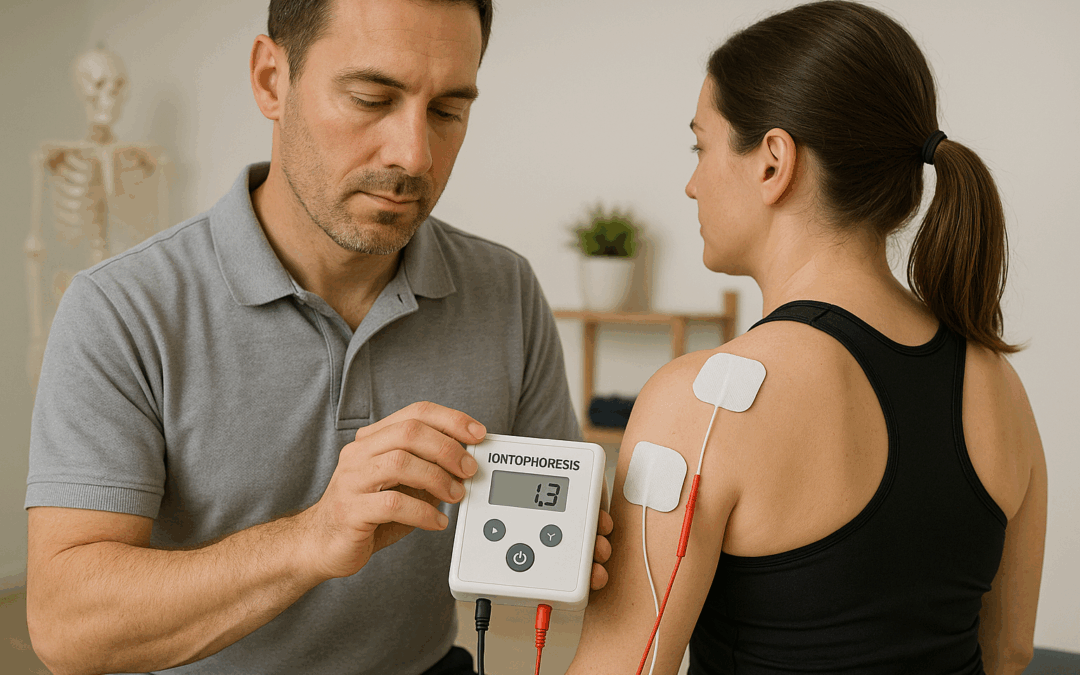
If you’re considering iontophoresis as part of your treatment plan—especially for managing pain or delivering medication to a targeted area—you’re not alone in wondering what it feels like. One of the most common questions patients ask is whether the treatment hurts. The idea of using electricity to push medication through the skin might sound a little intimidating at first, but the reality is much more gentle than most expect.
Understanding Iontophoresis
Iontophoresis is a non-invasive treatment method that uses a mild electrical current to deliver medication through the skin. Rather than injecting medication or taking it by mouth, this technique allows the drug to be absorbed directly at the site of pain or inflammation. It’s commonly used in physical therapy and sports medicine, often to treat conditions like tendonitis, bursitis, or joint pain. A clinician applies a medicated pad or electrode to the skin, then activates a small device that emits a gentle current to drive the medication into the underlying tissue.
What Does It Feel Like?
For most patients, iontophoresis does not hurt. The sensation is typically described as a mild tingling or a faint buzzing feeling on the skin. Some people say it feels a bit like static electricity or a warm sensation under the patch. These feelings are generally well tolerated and often fade into the background as the session continues.
If the current is set too high, the sensation might become uncomfortable, but it’s rarely described as painful. Because the device settings can be easily adjusted, clinicians usually start at a low intensity and increase only if you’re comfortable. The overall experience is designed to be as painless and relaxing as possible.
Is Skin Irritation Normal?
It’s fairly common to experience a little redness where the electrodes were placed. This is usually due to the mild electrical stimulation and goes away within a few hours. For people with sensitive skin, there may be some slight irritation or dryness afterward. It’s important to tell your provider if you have a history of skin sensitivity or allergic reactions, as they can make adjustments to prevent discomfort.
Severe irritation, burning, or blistering is not normal and should be reported immediately. These reactions can usually be avoided by ensuring the electrodes are applied correctly, the skin is properly prepared, and the electrical current is not too strong.
How Customizable Is the Treatment?
One of the benefits of iontophoresis is that it can be tailored to each individual. If something doesn’t feel right during your session, the current can be lowered, the medication adjusted, or the duration shortened. Clinicians often check in throughout the session to make sure you’re comfortable and to respond to any concerns.
This ability to adjust settings in real time helps make iontophoresis a good option even for people who are new to electrotherapy or tend to be more sensitive to physical sensations.
Who Might Be More Sensitive?
While most people tolerate iontophoresis well, a few may feel the effects more acutely. Those with thin or dry skin sometimes notice the current more, and treatments in areas where bones are close to the surface—like the wrist or ankle—can feel more intense. People who are unfamiliar with electrotherapy may also need time to get used to the sensation. That said, sensitivity doesn’t mean the treatment isn’t a good fit; it simply means the clinician may need to go slower or use a gentler setting to keep you comfortable.
What about Home Treatment?
Iontophoresis can be administered at home using FDA-approved devices, especially for patients with chronic pain who need regular treatments. These home units are generally easy to use and come with built-in safety features to avoid overtreatment or discomfort. Before beginning home use, patients are typically trained by a healthcare provider to ensure correct placement and settings.
The experience at home should be just as comfortable as it is in a clinical setting. If something feels off—if the sensation is unpleasant or your skin looks irritated afterward—it’s best to pause and speak with your provider before continuing.
Low Pain Tolerance? You’re Not Alone
If you tend to be sensitive or worry about discomfort, you’re definitely not the only one. Many people have concerns before their first iontophoresis session. Fortunately, this treatment is very flexible; the focus is on making the session effective while keeping it as comfortable as possible for you.
The idea of using electricity in a medical treatment might sound a bit nerve-wracking at first, but iontophoresis is a gentle and non-invasive method for delivering medication exactly where it’s needed. For most patients, it doesn’t hurt and is well tolerated—even by those with sensitive skin or a low pain threshold. If you’re thinking about trying iontophoresis, the best thing you can do is talk with your provider. They’ll walk you through what to expect, customize the treatment for your needs, and make sure you’re comfortable every step of the way.