
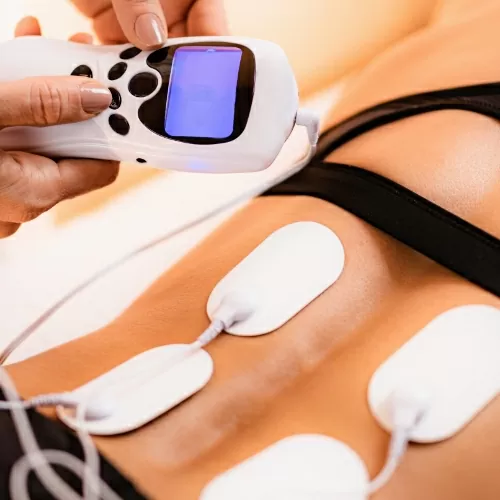
Joint pain and inflammation can make everyday activities more difficult, whether the cause is arthritis, an overuse injury, or irritation from repetitive stress. While treatments such as exercise therapy, activity modification, medications, and other physical therapy techniques remain important in managing these problems, some patients may benefit from additional approaches that directly target painful areas. One such option is iontophoresis, a non-invasive treatment that uses a mild electrical current to help deliver medication through the skin.
What Is Iontophoresis and How Does It Work?
Iontophoresis is based on the idea that medication may be more useful when it can be delivered closer to the area causing discomfort. During treatment, a healthcare provider places electrodes containing a medication solution on the skin near the affected area. A low electrical current helps move charged medication molecules through the skin barrier.
Unlike oral medications, which travel throughout the body after being absorbed, iontophoresis is designed to provide more localized delivery. This targeted approach may be beneficial for people who need treatment focused on a specific painful area. It is commonly used in physical therapy settings as part of a broader rehabilitation plan.
Supporting Pain Management for Arthritis and Joint Conditions
For people with joint pain, one potential advantage of iontophoresis is that it can help to address inflammation in a specific region while limiting exposure to medication throughout the body. This localized approach can be appealing for individuals who are managing chronic pain or who may have concerns about the effects of certain medications taken systemically.
Arthritis is one condition in which managing inflammation and discomfort can be challenging. It encompasses over 100 conditions that affect the joints. Conditions such as osteoarthritis involve changes within the joints that can lead to pain, stiffness, and reduced function. Rheumatoid arthritis and other inflammatory joint diseases involve immune-related processes that can also contribute to swelling and discomfort.
While iontophoresis does not reverse joint damage or cure arthritis, it may be considered as a supportive treatment for managing localized symptoms in some cases. The goal is often to reduce discomfort so that patients can participate more comfortably in movement-based therapies that support long-term function.
Iontophoresis for Overuse Injuries and Localized Inflammation
Iontophoresis may also be useful for some overuse injuries that affect structures around the joints, including the tendons and other soft tissues. Repetitive activities in sports, work, or daily life can place repeated stress on the tissues, sometimes leading to painful inflammation or irritation.
Conditions such as certain forms of tendinopathy or localized soft tissue inflammation have been studied in relation to iontophoresis, particularly when medications such as corticosteroids are used to target inflammatory processes.
For athletes, this targeted approach may be appealing because pain can interfere with training, performance, and rehabilitation. For example, a runner dealing with tendon pain may benefit from a treatment plan that addresses symptoms while also correcting movement patterns, improving strength and gradually returning to normal activity. Iontophoresis may be one tool that helps make that process more manageable.
What Medications Are Used With Iontophoresis?
The medications used with iontophoresis depend on the condition being treated and the healthcare provider’s judgment. One commonly discussed medication is dexamethasone, a corticosteroid that may help reduce inflammation. Other medications, such as certain anesthetic agents, may be used in some situations to help manage pain.
The medication choice, dosage, and treatment schedule should be determined by a qualified healthcare professional based on the individual patient’s needs. Iontophoresis is not appropriate for everyone, and factors such as skin health, medical history, and the location of pain should be considered before treatment begins.
What the Research Says About Using Iontophoresis for Pain and Inflammation
Research on iontophoresis for musculoskeletal conditions has shown encouraging findings, particularly for reducing pain in some situations, but results will vary depending on the condition, medication used, and study design.
A systematic review and meta-analysis found evidence that iontophoresis may reduce pain in musculoskeletal disorders while also noting that differences among studies make it difficult to draw conclusions about every condition. Other reviews have highlighted that more high-quality research is still needed to better determine when iontophoresis provides the greatest benefit.
This means iontophoresis should be viewed as one possible tool rather than a universal solution. The effectiveness may depend on the specific injury or condition, the medication selected, and how the treatment is combined with other therapies.
The Role of Iontophoresis in a Recovery Plan
For patients considering iontophoresis, it is important to understand that pain relief is usually only one piece of a recovery program. A reduction in discomfort may allow someone to move more easily, perform therapeutic exercises more effectively, and return to meaningful activities.
The most successful outcomes often arise from combining symptom management with strategies that address the underlying causes of pain. For example, someone with joint pain related to overuse may benefit from a combination of iontophoresis, strength training, mobility exercises, and adjustments to activity levels.
Iontophoresis represents an interesting option within the growing field of targeted, non-invasive pain management. For some people with localized joint pain, arthritis-related discomfort, or overuse injuries, it may provide another way to manage symptoms while supporting active recovery. As research continues, healthcare providers are learning more about which patients are most likely to benefit and how iontophoresis can best fit into a personalized treatment plan.