
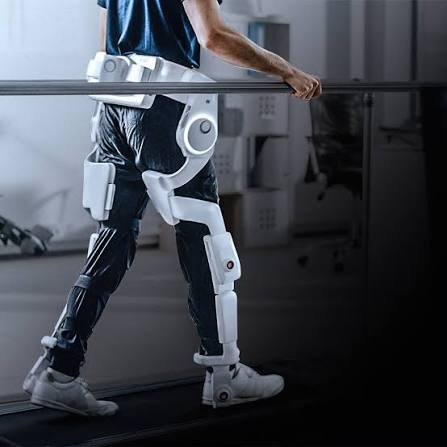
Physical therapy has evolved into a highly technology-assisted field that blends hands-on clinical reasoning with data-driven tools, electrical modalities, and emerging digital systems. While therapeutic exercise and manual therapy are always essential, modern practices increasingly incorporate biophysical agents and assistive technologies designed to reduce pain, accelerate recovery, and improve functional outcomes. These tools are not replacements for movement-based rehabilitation, but are often used to enhance or enable it, particularly in pain-sensitive or complex cases.
The Expanding Role of Technology in Physical Therapy
Contemporary physical therapy is no longer limited to manual techniques and exercise prescription. Clinics now frequently integrate modalities such as electrical stimulation, biofeedback systems, wearable sensors, and virtual rehabilitation environments. These tools aim to enhance precision and improve the therapist’s ability to monitor their patients’ progress in real time.
Electrical-based therapies, in particular, have maintained a consistent presence in rehabilitation clinics because they can modulate pain, support neuromuscular activation, and assist with tissue recovery. At the same time, developments in digital monitoring and AI-supported movement analysis are changing how clinicians assess gait, strength, and motor control patterns. These technologies are increasingly used to personalize rehabilitation programs and detect subtle changes in patient progress that may not be obvious via observation alone.
Iontophoresis in Pain Management and Medication Delivery
Among established biophysical agents, iontophoresis remains a clinically relevant technique, especially in outpatient orthopedics and sports medicine. It is a non-invasive method of transdermal drug delivery that uses a low-intensity electrical current to drive charged medication molecules through the skin into targeted tissues. This allows localized delivery of anti-inflammatory or analgesic agents while minimizing systemic exposure.
Clinically, iontophoresis is commonly used to manage pain and inflammation associated with conditions such as tendinopathies, bursitis, and plantar fasciitis. The technique is valued for its ability to concentrate medication at superficial musculoskeletal structures that are otherwise difficult to treat effectively with oral drugs alone.
One advantage of iontophoresis is that it delivers medication directly to the area being treated, potentially reducing the risk of systemic side effects associated with oral anti-inflammatory drugs. Physical therapists may use iontophoresis when patients need targeted symptom relief but wish to avoid injections or higher doses of medication.
Treatment sessions are generally brief and non-invasive, making the technique a practical option in many outpatient rehabilitation settings and a key part of treatment plans for certain musculoskeletal disorders.
Despite its clinical utility, iontophoresis is typically considered an adjunct rather than a standalone treatment. It is most effective when combined with therapeutic exercise and load management strategies that address the underlying mechanical or functional causes of pain.
Electrical Stimulation and Neuromodulation Therapies
Beyond iontophoresis, other electrical modalities are widely used in modern rehabilitation. Transcutaneous electrical nerve stimulation (TENS) is commonly applied for short-term pain relief, particularly in musculoskeletal and chronic pain conditions. It works by delivering mild electrical impulses through the skin to modulate pain signaling pathways. Recent clinical research has also suggested that combining TENS with structured physical therapy may improve movement-evoked pain and fatigue outcomes in conditions such as fibromyalgia.
Newer neuromodulation approaches are also emerging, including non-invasive brain stimulation techniques such as transcranial magnetic stimulation and transcranial direct current stimulation. These methods target central nervous system plasticity and are being explored for chronic pain conditions where peripheral treatments alone are insufficient. Although still developing, they represent a growing intersection between neuroscience and rehabilitation medicine.
Biophysical Agents Beyond Electrical Modalities
Modern physical therapy also includes a range of other biophysical interventions such as therapeutic ultrasound, shockwave therapy, and photobiomodulation (PBM). These techniques are designed to influence tissue healing through mechanical or photochemical effects. Their clinical use varies widely depending on practitioner training, clinical setting, and condition-specific evidence.
At the same time, there is an ongoing shift in some clinical environments toward prioritizing active rehabilitation strategies over passive modalities. This reflects a broader evidence-informed trend emphasizing exercise-based rehabilitation as the primary driver of long-term recovery, with technology used to support symptom management or facilitate participation in exercise.
Digital Rehabilitation and Data-Driven Care
Another major evolution in physical therapy is the integration of digital tools that enhance assessment and treatment planning. Motion analysis systems using cameras, wearable sensors, and AI algorithms can quantify movement quality, joint angles, and functional performance. These tools allow therapists to move beyond subjective observation and toward measurable, repeatable data points that can guide progression and detect compensatory movement patterns early in rehabilitation.
Tele-rehabilitation platforms have also expanded access to care, enabling patients to complete supervised therapy sessions remotely. This has become particularly important for long-term rehabilitation, post-surgical recovery, and patients with limited mobility or geographic barriers.
Current physical therapy practice reflects a balance between established clinical methods and rapidly advancing technologies. While exercise therapy and manual techniques still make up the foundation of rehabilitation, modalities like iontophoresis, electrical stimulation, neuromodulation, and digital movement analysis increasingly support individualized care. Iontophoresis, in particular, continues to play a role in localized pain management and medication delivery.
As technology continues to evolve, the most effective rehabilitation approaches will likely still pair physical restoration with carefully selected adjunctive tools.