
As people age, managing pain becomes more complex. Many older adults live with multiple chronic conditions, called comorbidities, and take several medications at once. This raises an important question for both patients and clinicians: is iontophoresis a safe option for pain relief in this population?
The short answer is that iontophoresis is generally considered safe for older adults, even those with multiple conditions, but its use requires careful screening and individualized care. Understanding why warrants a closer look at how the treatment works and what the evidence says.
Why Safety Matters More in Older Adults
Older adults are more likely to have conditions such as cardiovascular disease, diabetes, or kidney problems. For those who take multiple medications, there is an increased the risk of drug interactions and side effects.
Traditional pain management approaches, especially oral medications like nonsteroidal anti-inflammatory drugs or opioids, can pose risks in this group. These include gastrointestinal bleeding, kidney damage, and increased fall risk. Because of this, clinicians may look for localized treatments that reduce systemic exposure.
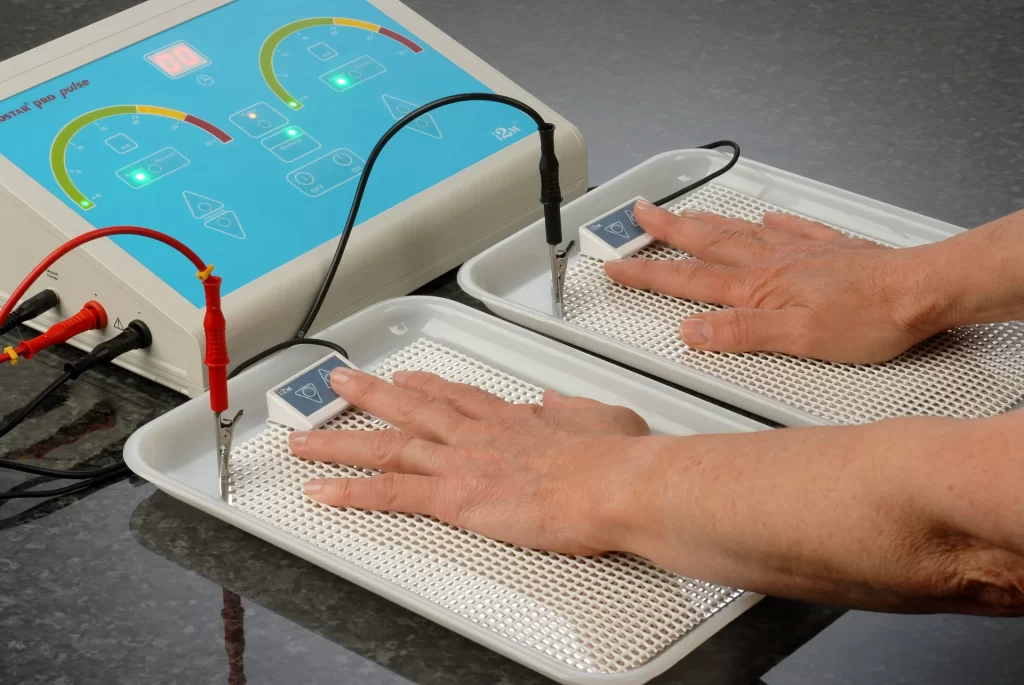
Iontophoresis fits into this category. It delivers medication through the skin using a mild electrical current, targeting a specific area rather than the entire body. This localized approach is one reason healthcare providers may consider it for older patients.
What the Evidence Says About Safety
Research on iontophoresis in older adults is somewhat limited, but existing evidence shows promise. A meta-analysis examining a fentanyl iontophoretic system in patients aged 65 and older found that its safety profile was comparable to that in younger patients. Adverse effects were generally manageable and consistent across age groups.
This is significant because older adults often respond differently to medications due to changes in metabolism and organ function. The fact that iontophoresis showed similar safety outcomes suggests that age alone does not make the treatment inherently risky.
More broadly, geriatric research emphasizes that treatments can remain safe in patients with multiple comorbidities when carefully monitored. Studies in other medical contexts show that even complex therapies can be well tolerated in older populations when individualized appropriately.
Key Safety Advantages of Iontophoresis
One of the main safety benefits of iontophoresis is reduced systemic drug exposure. Because the medication is delivered locally, smaller doses are typically needed compared to oral or injectable routes. This can lower the risk of systemic side effects, which is especially important for patients managing multiple conditions.
Another advantage is its noninvasive nature. Iontophoresis does not involve needles or surgery, which reduces the risk of infection and complications. For older adults with fragile skin or slower healing, this can be a meaningful benefit.
The electrical current used is also very low. Most patients experience only mild sensations such as tingling or warmth. Serious adverse effects are rare when the treatment is administered correctly.
Potential Risks and Limitations
That said, iontophoresis is not completely risk-free, and certain factors are particularly relevant for older adults with comorbidities. Skin irritation is the most common side effect. Older adults often have thinner, more sensitive skin, which may increase the likelihood of redness or minor burns. Careful monitoring and proper electrode placement are essential.
Cardiovascular conditions can also affect suitability. While the electrical current used in iontophoresis is minimal, patients with pacemakers or certain heart conditions may not be ideal candidates. Clinicians typically screen for these issues before starting treatment.
Medication choice is another important factor. The drugs used in iontophoresis, such as corticosteroids or local anesthetics, can still have systemic effects, especially if used frequently or over large areas. For patients with conditions like diabetes, corticosteroids may need to be used cautiously.
The Role of Clinical Judgment
Safety in iontophoresis ultimately depends on proper patient evaluation and clinical oversight. For older adults with multiple conditions, this means taking a comprehensive approach that considers the whole patient rather than just the site of pain.
Clinicians typically review medical history, current medications, and any contraindications before recommending iontophoresis. They may also adjust treatment parameters, such as current intensity or session duration, to suit the patient’s tolerance.
In many cases, iontophoresis is used as part of a broader treatment plan that includes physical therapy, exercise, and other non-drug approaches. This integrated strategy can further reduce reliance on systemic medications.
A Balanced Perspective
So, is iontophoresis safe for older adults with multiple conditions? For many patients, the answer is yes, particularly when compared to more systemic or invasive treatments. Its localized delivery, relatively low risk profile, and adaptability make it a useful option in geriatric care.
However, it is not a one-size-fits-all solution. The presence of comorbidities means that each case must be evaluated individually. What works well for one patient may not be appropriate for another.
The growing emphasis on personalized medicine aligns well with how iontophoresis is used in practice. With proper screening and monitoring, it can offer effective pain relief while minimizing the risks that often accompany other treatments.