
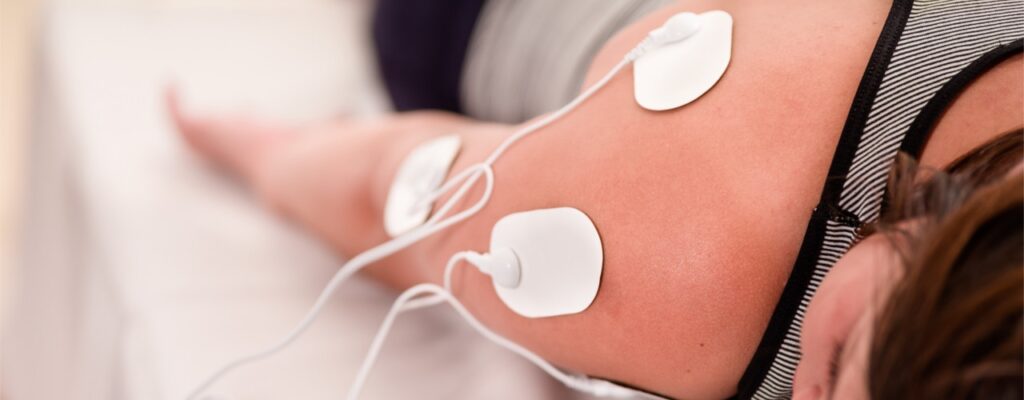
Iontophoresis may seem intimidating at first, but the idea behind it is surprisingly straightforward. It uses a mild electrical current to help medications move through the outer layers of the skin and reach the tissues underneath. In physical therapy settings, the most common medications used this way are anti-inflammatory drugs that help reduce pain and irritation in a specific spot. Because the process is non-invasive and targets a defined area, it has become a useful tool when treating tendonitis, bursitis, and other soft-tissue conditions.
What makes iontophoresis even more valuable is how well it fits into a broader treatment plan. Physical therapists rarely rely on one tool alone. They often combine several approaches so patients can make progress from multiple angles. Iontophoresis blends naturally with ultrasound, exercise therapy, and various manual techniques because each modality contributes something different to the healing process.
Working Hand in Hand with Therapeutic Ultrasound
Ultrasound is a familiar part of many therapy clinics. It uses sound waves—not heat—to gently vibrate the tissues under the skin. The goal is to increase circulation in the treated area and reduce stiffness. When tissues warm slightly and blood flow improves, they can respond more effectively to treatment.
Iontophoresis often accompanies ultrasound because the two methods address different aspects of the same problem. The medication delivered through iontophoresis works chemically to calm inflammation, while ultrasound focuses on the mechanical environment around the irritated tissue. A therapist may choose to use ultrasound to help prepare the area, making the tissues more receptive to movement and exercise that may follow. Iontophoresis then adds a targeted dose of medication to complement those effects.
It is not uncommon for therapists to schedule these treatments on different days or in a specific order to avoid overwhelming sensitive tissue. The sequence depends on an individual’s condition, how much inflammation is present, and how their body responds to each modality. Regardless of the timing, the combination can be especially helpful when a patient is stuck in a cycle of irritation and swelling that limits mobility.
Supporting Progress During Exercise Therapy
Exercise therapy is the backbone of most rehabilitation programs. Whether someone is recovering from a sports injury or managing a chronic condition, carefully designed exercises help to restore strength, flexibility, and joint stability. Unfortunately, pain and inflammation can make it harder for patients to fully participate. This is where iontophoresis can play an important supporting role.
By reducing localized irritation, iontophoresis can make stretching or strengthening exercises more comfortable. When a joint or tendon feels less reactive, a person can usually move with greater confidence. Therapists use this to their advantage by pairing exercise sessions with treatments that soothe the tissues.
Exercise therapy also works on the underlying causes of the problem. While iontophoresis helps to control symptoms in the short term, exercises address muscle imbalances, limited range of motion, and movement patterns that may have contributed to the injury. The two approaches create a feedback loop: reduced pain makes it easier to exercise, and better movement helps to prevent the irritated tissue from flaring up again.
Some patients only need a few iontophoresis sessions before they feel ready to progress through a more challenging exercise plan. Others benefit from a longer period of combined care. The pace depends on the nature of the injury and how quickly the tissues adapt. What stays consistent is the goal of using both treatments to gradually improve function without causing additional discomfort.
Enhancing Manual Therapy Techniques
Manual therapy refers to hands-on techniques like joint mobilization, soft tissue massage, and trigger point work. These methods aim to improve mobility, reduce tension, and help tissues glide more easily. While they can be very effective, they also require that the surrounding areas tolerate touch and movement.
If a tendon or bursa is highly inflamed, manual therapy may initially feel too sensitive. Iontophoresis can help to ease this sensitivity so that manual techniques become more comfortable and productive. By reducing the chemical irritation in the tissues, a therapist can more safely apply the pressure or mobilizations needed to restore movement.
Manual therapy and iontophoresis complement each other in other ways, as well. Hands-on work can help to break up restrictions and encourage healthier movement patterns, while iontophoresis addresses the inflammation that often accompanies those restrictions. For patients dealing with long-standing issues, this combination can help them to move past plateaus that might not be achievable with manual therapy alone.
Creating a Balanced Treatment Plan
A successful rehabilitation plan rarely hinges on a single modality. Instead, therapists combine tools strategically to support healing while gradually reintroducing normal activity. Iontophoresis contributes targeted medication delivery, ultrasound encourages circulation and tissue warmth, exercise therapy builds long-term resilience, and manual techniques free up movement. Each element plays a specific role.
Therapists adjust the blend of treatments as patients progress. Early sessions may focus on calming inflammation and improving range of motion. Later sessions often focus on strengthening and restoring everyday function. Because iontophoresis is flexible and non-invasive, it can be introduced or phased out depending on how symptoms evolve.
The Value of a Multimodal Approach
Combining iontophoresis with other physical therapy techniques supports healing from inside and outside of the tissues. While medication delivered through the skin works chemically, movement and hands-on care address mechanical, functional, and behavioral aspects of recovery. Together, they create conditions where the body is more likely to respond well and steadily progress.