Intense training is great for building strength, endurance, and resilience, but it often results in soreness and inflammation that can disrupt your momentum. Many athletes have experienced the frustration of pushing through a demanding session only to experience stiff joints or irritated tendons the next day.
Because of this, new recovery tools and techniques are always on the radar for anyone who trains hard. One option that’s particularly interesting is iontophoresis, a method commonly used in physical therapy to deliver medication directly through the skin. Although it has long been used for conditions like tendonitis, iontophoresis also has a role in easing post-training inflammation and helping athletes to feel prepared for their next session.
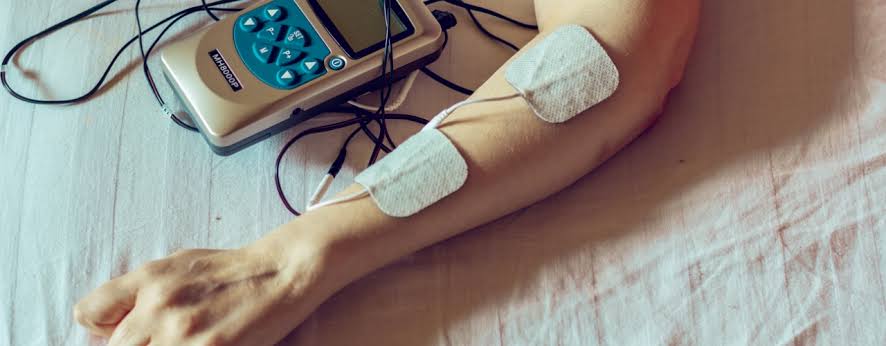
Iontophoresis works by using a mild electrical current to move charged medication molecules into the underlying tissues. A medicated pad is placed on the skin, a second electrode is positioned nearby, and a current helps to “push” the medication to the targeted area. The sensation is minimal and is usually described as a light tingling. Treatments are short and non-invasive, which makes the approach appealing for athletes who want relief without downtime or systemic medication.
Why Hard Training Results in Inflammation
Most people realize that inflammation is a normal part of challenging physical activity. When your muscles and connective tissues are stressed, your body responds with an increase in blood flow and immune activity. This process is essential for healing and adaptation, but it can become uncomfortable. Areas like your knees, shoulders, shins, and elbows are particularly vulnerable when your training volume or intensity ramps up. If this inflammation lingers, it can limit your mobility, interfere with your technique, and in some cases contribute to stubborn overuse injuries.
Post-training inflammation isn’t always severe. Sometimes it’s a subtle irritation or a familiar tightness that appears after repeated stress. Other times, it’s enough to change how someone moves or how confident they feel during their next workout. This is where targeted interventions can make a meaningful difference.
How Iontophoresis Supports Recovery
The main benefit of iontophoresis for athletes is how it directly tackles inflammation. Because the medication is delivered locally, the effect tends to be focused on the exact site of pain. Many physical therapists use dexamethasone during these treatments, a medication known for its strong anti-inflammatory properties. When it reaches irritated tendons or small joints, it can calm swelling and reduce the chemical signals that contribute to pain.
Some people also notice a reduction in soreness, particularly when the discomfort is tied to tissue irritation rather than pure muscle fatigue. While iontophoresis isn’t a universal solution for every type of soreness, it tends to be most effective for problem spots that flare up after intense or repetitive training. By soothing these areas early on, athletes often find they can resume normal movement sooner and avoid compensating for stiff or painful tissue. It can also reduce the need for oral anti-inflammatories, which some people prefer to avoid.
Who Benefits Most from Iontophoresis
While nearly anyone experiencing inflammation can benefit from iontophoresis, it tends to be most helpful for people who train frequently or who have recurring areas that are sensitive to stress. Runners dealing with achy knees or irritated plantar fascia, lifters who notice persistent elbow or shoulder discomfort, and athletes returning from injuries often find that iontophoresis helps them to manage flare-ups without forcing them to take a break from training. It’s also useful for individuals struggling with swelling after high-volume sessions, especially in areas that are sensitive or slow to recover.
Iontophoresis isn’t intended to replace smart training habits, but it can fill the gap between rest and more aggressive treatments. Because it’s a relatively quick and easy treatment, athletes can incorporate it into their recovery routines without major disruption.
What to Expect During Treatment
A typical session is simple and comfortable. A clinician places a medicated electrode over the affected area and a second electrode nearby. Once the device is turned on, a mild current begins moving the medication into the tissue. Most sessions last 10 to 20 minutes, and the sensation is usually limited to a gentle tingling. For best results, multiple sessions are often recommended, especially when the inflammation has been present for a while or tends to recur.
Building a Recovery Routine Around Iontophoresis
Iontophoresis works best when combined with a thoughtful recovery plan. Hydration, mobility work, soft tissue care, and proper rest form the foundation of staying healthy during demanding training cycles. When iontophoresis is added to that foundation, it often accelerates the process of calming irritated tissues and restoring comfortable, efficient movement. It can make the difference between feeling “off” for several days and being ready to train again sooner.
For people who are committed to pushing their limits, managing inflammation is an ongoing part of the journey. Iontophoresis offers a targeted, noninvasive way to reduce irritation after intense training, making it easier to stay consistent and avoid setbacks. By delivering medication directly where it’s needed, the treatment helps to create a smoother recovery process and can support people’s long-term training goals. It’s not a magic fix, but a practical and effective tool that fits naturally into a well-rounded approach to optimal performance and recovery.