
Pain and inflammation are common consequences of many injuries, ranging from minor muscle strains to chronic joint conditions. For people seeking relief, treatment often involves medication, rest, and physical therapy. In recent years, healthcare providers have increasingly focused on therapies that target the source of pain more directly. Localized treatments allow clinicians to deliver care exactly where it is needed, helping to reduce symptoms while supporting the body’s natural healing process.
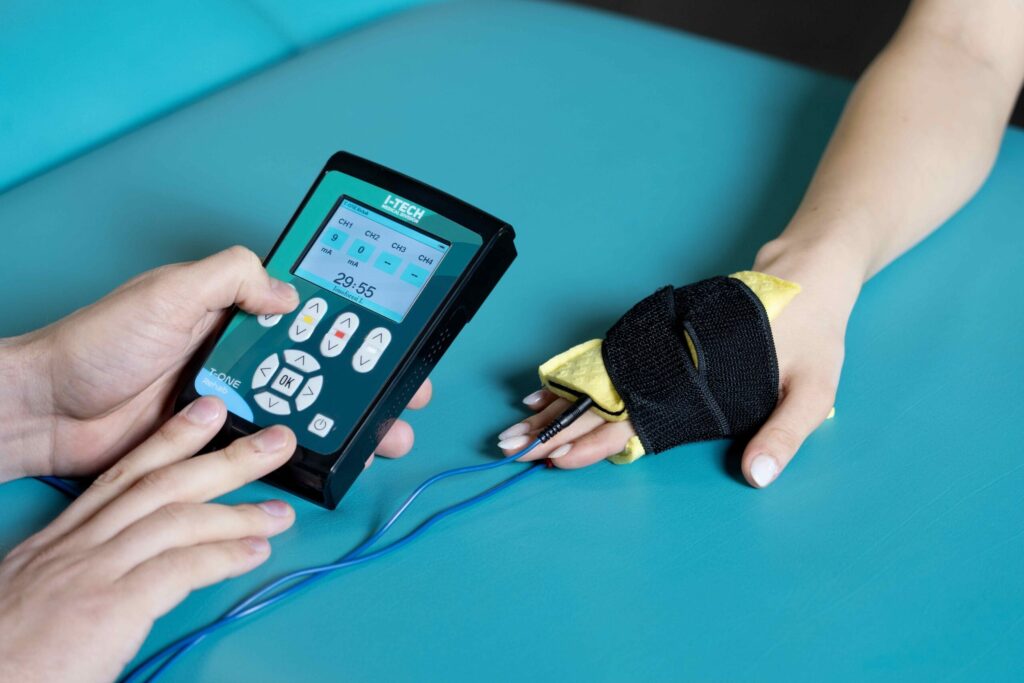
One example is iontophoresis, a technique used in physical therapy to deliver medication through the skin using a mild electrical current. While it may sound complex, the goal is simple: provide anti-inflammatory medication directly to the affected area rather than sending it throughout the entire body.
The Value of Targeted Treatment
Traditional pain treatments often rely on oral medications. While these drugs can be effective, they circulate through the bloodstream and affect the entire body. For some patients, this can cause unwanted side effects such as stomach irritation or interactions with other medications.
Localized therapies work differently. Instead of relying on the bloodstream to carry medication throughout your body, they treatment is concentrated at the site of the injury. This approach allows clinicians to focus on the issues that are actually causing discomfort. In many cases, targeted treatment means a lower overall dose of medication while still achieving meaningful relief.
For physical therapists, this approach fits naturally into rehabilitation programs. Localized treatments can be used alongside exercise therapy, manual techniques, and other interventions that help to restore mobility and strength.
How Iontophoresis Works
Iontophoresis uses a small device that sends a gentle electrical current through two electrodes placed on the skin. One electrode contains a medication—often an anti-inflammatory drug commonly used to treat soft tissue injuries—while the other electrode completes the electrical circuit. The electrical current helps to move the charged medication molecules through the outer layer of skin and into the underlying tissue.
Since the medication moves gradually through the skin barrier, treatment can reach irritated tendons, ligaments, and nearby soft tissue without the discomfort sometimes associated with injections. This controlled delivery helps to keep therapy precise and comfortable.
The sensation during treatment is usually mild. Many patients describe it as a light tingling or warmth. Sessions typically last around 10 to 20 minutes, depending on the treatment plan recommended by the physical therapist.
Because the medication is delivered directly to the affected area, iontophoresis can help to reduce inflammation in the muscles, tendons, and joints. This makes it a useful option for conditions that involve localized swelling and irritation.
Supporting Recovery from Acute Injuries
Localized therapies are often used to treat acute injuries. These are injuries that occur suddenly, such as a sprained ankle, inflamed tendon, or strained muscle. In the early stages of recovery, controlling inflammation is an important step.
While inflammation is part of the body’s natural healing response, excessive swelling can increase pain and limit movement. By helping to reduce inflammation in a targeted way, treatments like iontophoresis may allow patients to begin gentle movement and rehabilitation sooner.
Early movement is important because it helps to maintain joint flexibility and prevents surrounding muscles from becoming stiff or weak. When pain is better controlled, patients are more likely to participate fully in their therapy exercises, which supports a smoother recovery.
Managing Chronic Inflammatory Conditions
Localized therapies are also useful for people dealing with longer-term inflammatory conditions. Tendinitis, bursitis, and certain repetitive strain injuries can cause persistent discomfort that interferes with daily activities.
In these cases, treatment often focuses on reducing inflammation while addressing the underlying causes of the problem. A physical therapist may recommend strengthening exercises, posture correction, or activity modifications. Localized treatments can complement these strategies by helping to manage pain during the rehabilitation process.
For patients who cannot tolerate certain oral medications, targeted drug delivery can be particularly valuable. It offers another option for symptom relief without increasing overall medication exposure.
Integrating Localized Therapies Into Rehabilitation
Physical therapy rarely relies on a single treatment. Instead, recovery typically involves a combination of approaches tailored to patients’ needs and goals. Localized therapies are often one component of this broader plan.
A physical therapist might begin with treatments that reduce pain and inflammation. As symptoms improve, the focus gradually shifts toward restoring strength, flexibility, and coordination. This progression allows patients to regain function while minimizing the risk of reinjury.
Communication between therapists and patients is essential during this process. Adjustments to the treatment plan may be made depending on how the body responds.
A Targeted Approach to Healing
Localized therapies such as iontophoresis highlight an important principle in modern rehabilitation: treatment works best when it is tailored to individuals and the specific source of pain. By delivering medication directly to the affected tissues, these therapies help to control inflammation while minimizing systemic drug exposure..
For many patients, this targeted approach provides a practical balance between symptom relief and active rehabilitation. When combined with exercise, education, and skilled guidance from a physical therapist, localized treatments can play a valuable role in helping people return to the activities they enjoy.