
Iontophoresis is a modality that many physical therapists learn about in their training, but it’s not always well understood or consistently used in clinical practice. While it’s often associated with dermatologic uses like treating excessive sweating (hyperhidrosis), iontophoresis has several relevant orthopedic and rehabilitation applications that can be effective when used correctly.
Understanding how iontophoresis works, when it’s appropriate, and how to apply it safely is key for any clinician looking to broaden their therapeutic toolbox.
Understanding the Basics of Iontophoresis
Iontophoresis delivers medication through the skin using a mild electrical current. This technique allows ionized drugs—typically anti-inflammatory or analgesic medications—to be driven into the tissues at a localized site. Unlike oral or even some injectable medications, iontophoresis offers the benefit of targeted drug delivery, reducing the risk of systemic side effects.
The most common medications used in physical therapy with iontophoresis include dexamethasone (a corticosteroid) and lidocaine (a local anesthetic). These are used for conditions that involve inflammation or localized pain, such as lateral epicondylitis (tennis elbow), patellar tendinitis, plantar fasciitis, or acute muscle strains. By targeting the inflamed tissues directly, iontophoresis can potentially expedite healing and reduce reliance on oral medications or more invasive interventions.
Mechanism of Action and Clinical Rationale
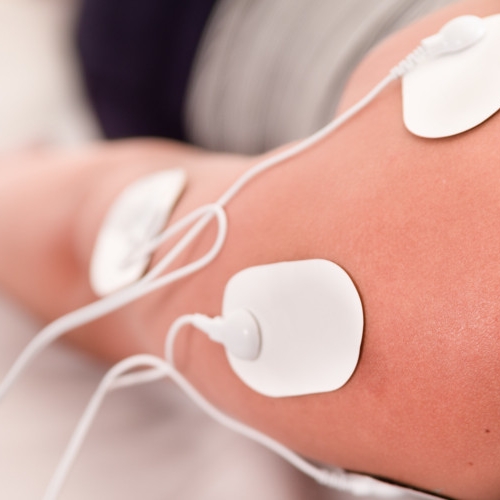
The mechanism is relatively simple. The drug is placed on a pad that serves as one electrode. When an electrical current is applied, ions from the drug are repelled from the electrode with the same charge and migrate through the skin toward the opposite electrode. The current helps to open skin pores and drive the medication into the underlying tissues.
Clinically, this is valuable because it enables non-invasive, site-specific drug delivery. For patients who cannot tolerate systemic corticosteroids or who want to avoid repeated injections, iontophoresis can offer an appealing middle ground. Moreover, because the technique is generally quick and painless, it can be incorporated into regular therapy sessions without significant disruption.
Dosage and Equipment Considerations
Therapists should be aware of how to calculate and monitor dosage. The dosage for iontophoresis is expressed in milliamp minutes (mA·min), which is a function of the current amplitude and duration of treatment. A common prescription might be 40 mA·min, which could be delivered as 4 mA over 10 minutes or 2 mA over 20 minutes, depending on patient tolerance and the unit being used.
There are both wired and wireless iontophoresis devices available. Traditional wired units involve electrodes connected to a small electrical stimulator, while newer wireless options use self-contained electrodes with integrated batteries. Each has its own pros and cons. Wired units allow for precise control of the current and timing, but they require the patient to be stationary. Wireless units offer greater convenience, especially for at-home treatments, but they may be more expensive and offer less control.
Patient Selection and Contraindications
Not every patient is an ideal candidate for iontophoresis. Therapists must screen for contraindications such as skin sensitivity, open wounds at the application site, pacemakers, and known allergies to the medication or the adhesive on the electrode pads. Patients with impaired sensation or circulation should also be closely monitored.
Additionally, the thickness of the skin, tissue impedance, and hydration status can all influence the effectiveness of the treatment. Some areas, like the sole of the foot or the palm of the hand, may pose more of a challenge due to denser skin layers. Hydrating the skin beforehand or using pretreatment techniques like heat can sometimes help improve conductivity and drug absorption.
Clinical Evidence and Effectiveness
The clinical evidence for iontophoresis is mixed, but there is some support for its use in certain musculoskeletal conditions. For example, research has shown benefits in treating lateral epicondylitis with dexamethasone iontophoresis, especially when combined with an overall rehab program that includes strengthening exercises and activity modification. However, the results are often modest, and it’s not considered a standalone cure.
It’s best to view iontophoresis as an adjunct modality. It may help to reduce pain and inflammation enough to allow patients to participate more fully in active therapy, which in turn drives functional recovery. Therapists should manage expectations and ensure patients understand that iontophoresis is part of a broader plan of care—not a magic bullet.
Documentation and Reimbursement Considerations
From an administrative perspective, therapists must appropriately document iontophoresis. This includes noting the medication used, the dosage, treatment parameters, patient response, and any adverse reactions. Reimbursement can vary depending on the payer, and some insurers may not cover the modality unless it’s clearly justified within the treatment plan.
For physical therapists who treat musculoskeletal injuries, iontophoresis can be a useful tool when applied with care and understanding. It allows for targeted medication delivery with minimal patient discomfort and can be an effective adjunct to manual therapy, exercise, and education. By staying informed about the latest equipment, appropriate indications, and safety protocols, therapists can integrate iontophoresis into their practice in a way that benefits both patient outcomes and clinical efficiency.
While it’s not a frontline treatment in most cases, iontophoresis remains a viable option worth considering, particularly in situations where inflammation or pain is impeding progress. Used wisely, it offers another pathway toward restoring function and improving the quality of life for patients in a rehab setting.