
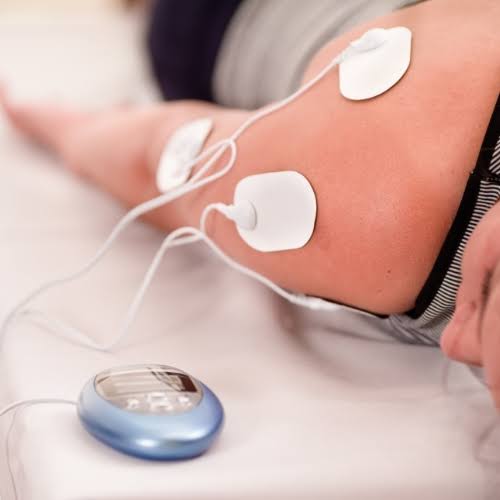
Physical therapy continues to evolve as research helps clinicians to better understand which treatments provide the most meaningful benefits to patients. One approach that has gained attention in rehabilitation settings is iontophoresis, a technique that uses a mild electrical current to help deliver medication through the skin to targeted areas.
Iontophoresis works best as part of a comprehensive rehabilitation approach, and it can be a helpful tool when thoughtfully included in a broader, evidence-based treatment plan alongside exercise therapy, movement training, and other recovery strategies.
Evidence-based physical therapy combines the best available evidence with a therapist’s clinical expertise and the patients’ needs, preferences, and goals. This approach helps to ensure that technologies like iontophoresis are used appropriately rather than as stand-alone solutions.
Understanding How Iontophoresis Fits Into Physical Therapy
Iontophoresis is a form of transdermal drug delivery. During treatment, a small electrical current is used to move charged medication molecules through the skin. Physical therapists commonly use medications such as dexamethasone sodium phosphate, an anti-inflammatory corticosteroid, depending on the condition being treated and the patient’s circumstances. The goal is to deliver medication locally while limiting the need for systemic delivery throughout the body.
In clinical practice, iontophoresis is most often considered for localized pain, inflammation, and soft tissue conditions. It may be used alongside other interventions such as therapeutic exercise, manual therapy, activity modification, and patient education. The reasoning is that reducing symptoms may help some patients participate more comfortably in the active parts of rehabilitation that support long-term recovery.
What the Research Says About Iontophoresis
Research on iontophoresis demonstrates potential benefits, but the evidence is not completely uniform. Some systematic reviews suggest that iontophoresis may help reduce pain in certain musculoskeletal conditions, particularly when compared with a placebo or control treatments. A systematic review and meta-analysis examining iontophoresis for musculoskeletal disorders found evidence supporting pain reduction, while also highlighting the need for further research to better understand how effective it may be across different clinical situations.
One challenge in studying iontophoresis is that it is often used within a comprehensive rehabilitation program. Since patients receiving iontophoresis often participate in therapeutic exercises, manual therapy, and activity modifications, this can make it more difficult for researchers to isolate its individual effects.
For example, research examining dexamethasone iontophoresis for musculoskeletal conditions has found that the treatment may be beneficial in some situations, but researchers have also pointed out limitations in the study design and the difficulty of determining the exact contribution of iontophoresis when multiple therapies were provided at the same time.
Personalized Care
The role of a physical therapist is not to simply select a treatment because research exists. A clinician must determine whether that treatment makes sense for a specific patient.
For example, a patient with localized tendon pain may benefit from a treatment plan focused on restoring strength, improving movement patterns, and gradually increasing activity tolerance. Iontophoresis may be considered as part of treatment if reducing pain or inflammation helps a patient participate more effectively in rehabilitation.
This is an important distinction. Rather than serving as a stand-alone treatment, iontophoresis is a supportive tool that helps create better conditions for recovery. The strongest physical therapy outcomes usually result from individualized plans that address the underlying factors contributing to pain and limited function.
A key aspect of evidence-based iontophoresis involves understanding the difference between symptom management and long-term recovery. While reducing discomfort can be valuable, physical therapists typically view symptom relief as a way to help patients engage more fully in rehabilitation. When patients can move with less pain, they may be better able to participate in strengthening exercises, mobility work, and other activities that address the root causes of functional limitations. This patient-centered approach helps ensure that iontophoresis supports—rather than replaces—active recovery strategies.
Factors to Consider
Like any intervention, iontophoresis is not appropriate for every person or condition. Physical therapists consider factors such as a patient’s diagnosis, medical history, goals, symptoms, and response to previous treatments before recommending it.
A physical therapist may also consider whether a patient understands what the treatment can and cannot do. Setting realistic expectations is a key part of evidence-based care. Short-term relief from discomfort can be a meaningful step toward helping patients return to meaningful activities.
The Future of Iontophoresis in Rehabilitation
As rehabilitation continues to focus on personalized care, treatments like iontophoresis will likely continue to be evaluated based on how well they support patient outcomes. Future research may help to clarify which conditions respond best, which patients are most likely to benefit, and how iontophoresis compares with other approaches.
For physical therapists, iontophoresis is most valuable when it is used thoughtfully and with clinical judgment. When combined with a strong rehabilitation program and supported by appropriate evidence, it can be another option in the broader toolkit to help patients manage pain and improve function.